

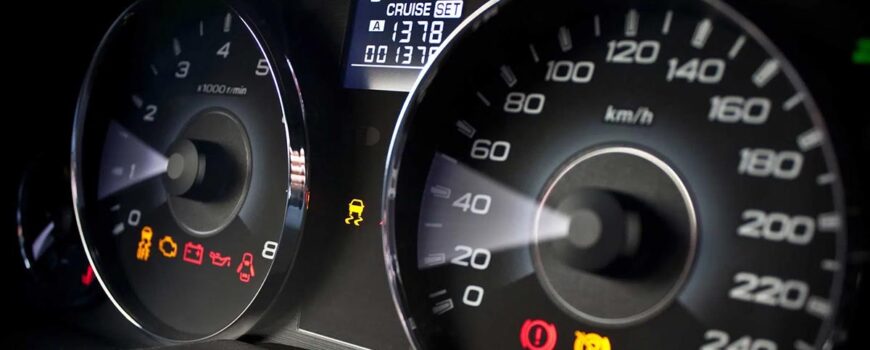
What Your Dashboard Warning Lights Are Telling You
Cars today rely heavily on electronic systems, so it is no surprise that dashboards are filled with more warning lights than ever. When one of them suddenly comes on, it can be confusing to figure out what is actually happening. Here is a quick breakdown of some of the most common indicators and why they might appear.
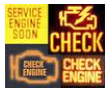
Check Engine Light
Designs vary between brands, but if this light turns on, it is not a reminder about routine service. The vehicle’s computer has detected a fault that could affect how the engine runs. Sometimes it is something small like a loose gas cap, but there can also be more serious issues behind it. Getting the car checked sooner rather than later is the safest move.
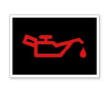
Oil Warning Light (Yellow or Red)
If the symbol is red, the engine may be losing oil pressure, which can cause major damage in a short amount of time. Stop driving and have the car towed to a shop.
A yellow warning usually means the oil level is low. Check the dipstick when possible, top off as needed, and schedule a visit to inspect for leaks or increased oil consumption.
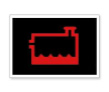
Coolant Level Warning
This light indicates the cooling system is not seeing enough coolant in the radiator or reservoir. Because opening a hot cooling system can be dangerous, only check coolant levels when the engine is fully cold. A repair shop can run a pressure test to locate leaks.
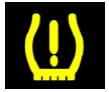
Tire Pressure Monitoring System (TPMS)
This light alerts you that one or more tires are under-inflated or possibly flat. Pull over safely and check each tire. Even a small pressure difference can trigger the warning. Add air if required and reset the system according to the owner’s manual.
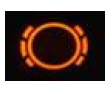
Brake Pad Wear Indicator
When this light comes on, the brake pads are likely worn and need attention. A technician should measure the brake rotors with proper tools to determine whether they can be resurfaced or must be replaced.
Different vehicles may have many more dashboard alerts depending on their equipment. When in doubt, check your owner’s manual or visit a qualified shop for a quick inspection. Catching problems early can prevent costly repairs later.